In the film The City Lights, reflects on how the highly illuminated skies from the artificial light harms our environment and us.
In the 3rd chapter of the film we see how the sea turtles are affected by the light from nearby streets and commercial areas. The nature of the sea turtles is that as soon as they hatch they need to make it to the sea so they don’t dehydrate and is where they live for the rest of their lives other than when they come back to the shore to lay their eggs.

Chaney says “Every summer tens of thousands of [Florida sea] turtle, already a threatened species, are lost to disorientation.” (City Dark) It is sad to acknowledge that these innocent creatures are being harmed. The simple action of maybe just turning the lights off at night near the beach could save many of these little guys. In the film the produces and cast demonstrated where the beach was and where most of the turtles were heading towards. The majority where heading towards the city lights and not to the sea.

Other animals being harmed were the birds during migration season. Susan Elbin, an ornithologist at the Audobon Society states, The estimate is that there [are] a billion birds killed across the United States every year by collisions into buildings.” (qtd. In City Dark). A billion birds a year just in the United States alone is a very high number not taking count of the other billions of birds being killed in other cities that are also lighted around the world.
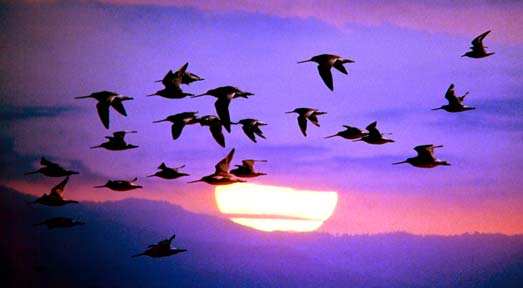
In the film it has graphic to see all the birds that got hurt and the ones that were killed kept in drawers. Beautiful birds just trying to make their journey from one place to another got disoriented and collide with buildings.
It makes you reflect on the importance that humans as well as animal and nature have a need for the night sky. Humans and animals have always used the sky for guidance and time. Our biological need for the night and sleep is important and we are losing the view of the stars by artificial light that contaminates and pollutes our skies. Chad Moore, of the National Park Service, reminds us, “When we add light to the environment, that has the potential to disrupt habitat, just like running a bulldozer over the landscape can. Darkness is a necessary habitat for nocturnal animals, so what’s the habitat for people?” (qtd. In City Dark).

That last question is very good one. What is our habitat? For most of us our habitat consists of an illuminated sky full of pollution and artificial lights. We have lost the connection with the nature of night and the important role in humans. Without night time we wouldn’t be able to survive. It’s in our body the biological need for sleep and way of how night time is to sleep and let us recover from our daily routines.

No comments:
Post a Comment