Monday, March 25, 2013

Hidden

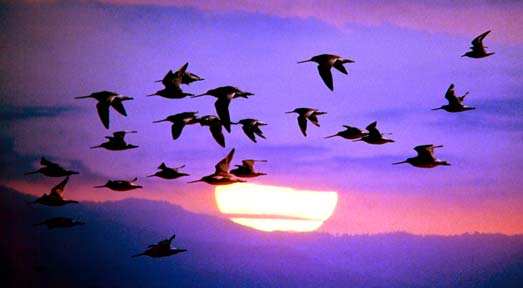
In Baytown we can’t observe the night sky like other parts of the country or world. Our skies are polluted and contaminated and in some days we even have weird colorful skies that leave you in "aww" until you stop and think it’s not normal or that beautiful when it is Exxon the one to blame for the orange and purple looking skies.
 Driving down the roads here it’s hard to see stars and sometimes when you think you see a star it turns out to be a plane to your disappointment. On the freeway you can turn to your left and right and see the lights from the chemical plants brighter than the few stars up in the sky ina good night. I will admit that in one rare occasion I was sitting outside enjoying the night with some friends and I just managed to just look up at the sky and let my mind wonder off when I saw a shooting star. I was amazed and questioned myself if it was possible? In Baytown? With all the illumination of garth road and the pollution? Whether it was a shooting star or not I saw it, and I saw a couple of stars too maybe 6 total.

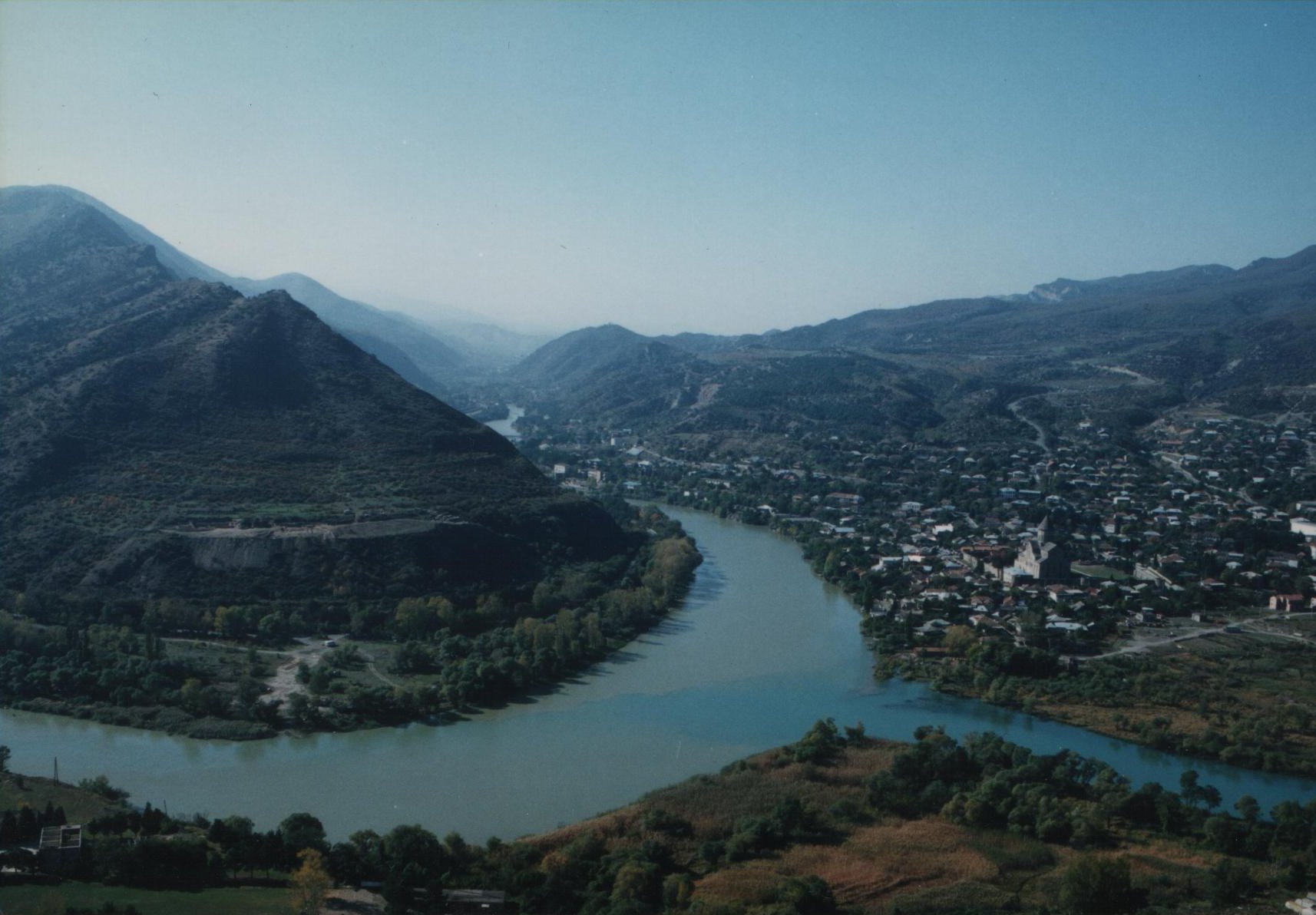
Our skies are nothing compared to a vacation I took with my family to Georgia. We went to go visit my cousin and I remember going outside to get my charger. I had forgotten it in our truck, that first day I remember standing outside and just being amazed of how many stars were in the sky. So many that we could not count all of them and they seem to just be so bright and big. I was in Georgia for a total of 7 days and every night I would go outside for at least an hour to just look up at the sky and view the amazing beauty of the sky. Clear, dark skies with just the illumination of the moon and stars above.
The night in Georgia was breath taking and the landscape and nature I had a chance to witness was amazing and I will never forget my experience.
I was also lucky enough to travel to California and Mexico and stay in an area where the skies at night where dark and just full of billions of stars. To me experiencing that and the beauty of nature gives me peace and relaxation. When I’m out there enjoying it I have a feel of tranquility and like the time has stopped. Gives me time to relax and feel like you’re not in the rush of your daily routine and loud and busy city.

Nature and Darkness

In the film The City Lights, reflects on how the highly illuminated skies from the artificial light harms our environment and us.
In the 3rd chapter of the film we see how the sea turtles are affected by the light from nearby streets and commercial areas. The nature of the sea turtles is that as soon as they hatch they need to make it to the sea so they don’t dehydrate and is where they live for the rest of their lives other than when they come back to the shore to lay their eggs.
Chaney says “Every summer tens of thousands of [Florida sea] turtle, already a threatened species, are lost to disorientation.” (City Dark) It is sad to acknowledge that these innocent creatures are being harmed. The simple action of maybe just turning the lights off at night near the beach could save many of these little guys. In the film the produces and cast demonstrated where the beach was and where most of the turtles were heading towards. The majority where heading towards the city lights and not to the sea.
 
Other animals being harmed were the birds during migration season. Susan Elbin, an ornithologist at the Audobon Society states, The estimate is that there [are] a billion birds killed across the United States every year by collisions into buildings.” (qtd. In City Dark). A billion birds a year just in the United States alone is a very high number not taking count of the other billions of birds being killed in other cities that are also lighted around the world.

In the film it has graphic to see all the birds that got hurt and the ones that were killed kept in drawers. Beautiful birds just trying to make their journey from one place to another got disoriented and collide with buildings.
It makes you reflect on the importance that humans as well as animal and nature have a need for the night sky. Humans and animals have always used the sky for guidance and time. Our biological need for the night and sleep is important and we are losing the view of the stars by artificial light that contaminates and pollutes our skies. Chad Moore, of the National Park Service, reminds us, “When we add light to the environment, that has the potential to disrupt habitat, just like running a bulldozer over the landscape can. Darkness is a necessary habitat for nocturnal animals, so what’s the habitat for people?” (qtd. In City Dark).
That last question is very good one. What is our habitat? For most of us our habitat consists of an illuminated sky full of pollution and artificial lights. We have lost the connection with the nature of night and the important role in humans. Without night time we wouldn’t be able to survive. It’s in our body the biological need for sleep and way of how night time is to sleep and let us recover from our daily routines.

Tuesday, March 5, 2013

A Deers Fate

The two poems I have decided to analyze for my blog are “Salt Lick” by May Sarton and “Highway 12, Just East Of Paradise, Idaho” by Robert Wrigley. These two poems to me seemed very odd and cruel. They both seem to be about death and one witnessing a horrible scene of death.
Robert Wrigley describes a horrible and gruesome scene of a deer getting hit by a car. He managed to get almost every detail in the scene. I imagine the poor deer getting hit and dying and made me upset and at one point I had to stop reading the poem because it disturbed me very much. It said “she skated / many yards on the slightest toe-edge tips…” (Wrigley 7-8) The person observing this scene was probably driving or could have been the driver who hit the deer. Seeing a scene like that for me had to leave an impact on you on how your alive one moment and gone the next.
In the other poem I read, May Sarton writes about how deer come to lick salt rock and how sometimes bread is given to them and the deer don’t seem to be afraid of who is there watching them. This poem was still talking about death towards the end but not as horrifying as the poem by Robert Wrigley. In “Salt Lick” the author wonders what would become of the deer when there is no more salt, the salt is an important nutrient for their survival she says, “To fill their need” (Sarton 12) not getting  the necessary nutrients cause a deer to get sick and die. The author compares to her life that like salt one day she is not going to exist she wrote “On some cold winter day / I shall be licked away” (14-15).
            The two poems have a different way of describing death. They both describe it as sudden and without notice. Wrigley is more detailed about the death of the animal and goes on to say “Her neck caught a sign post / that spun her across both lanes and out of sight” (Wrigley 15-16) he even states “I admit I was grateful” (17) this statement made me think he enjoyed witnessing the act of death or maybe, he was just glad the deer died and didn’t land on the street to get ran over by other vehicles. In salt lick May Sarton describes death in her poem as un noticed and with no fault. She states that “the salt, a mystery, / the written word” ( Sarton 6-7) what I understand from that is that the word has another meaning to her. The words in SALT if switched can make a new word LAST. The deer both had to have salt for their diet and at some point would be their last.

When you read poems you can understand them in your own way. Right or wrong it is your own perspective of understanding it and to me these two poems were hard and I admit I had to read them over and over.